
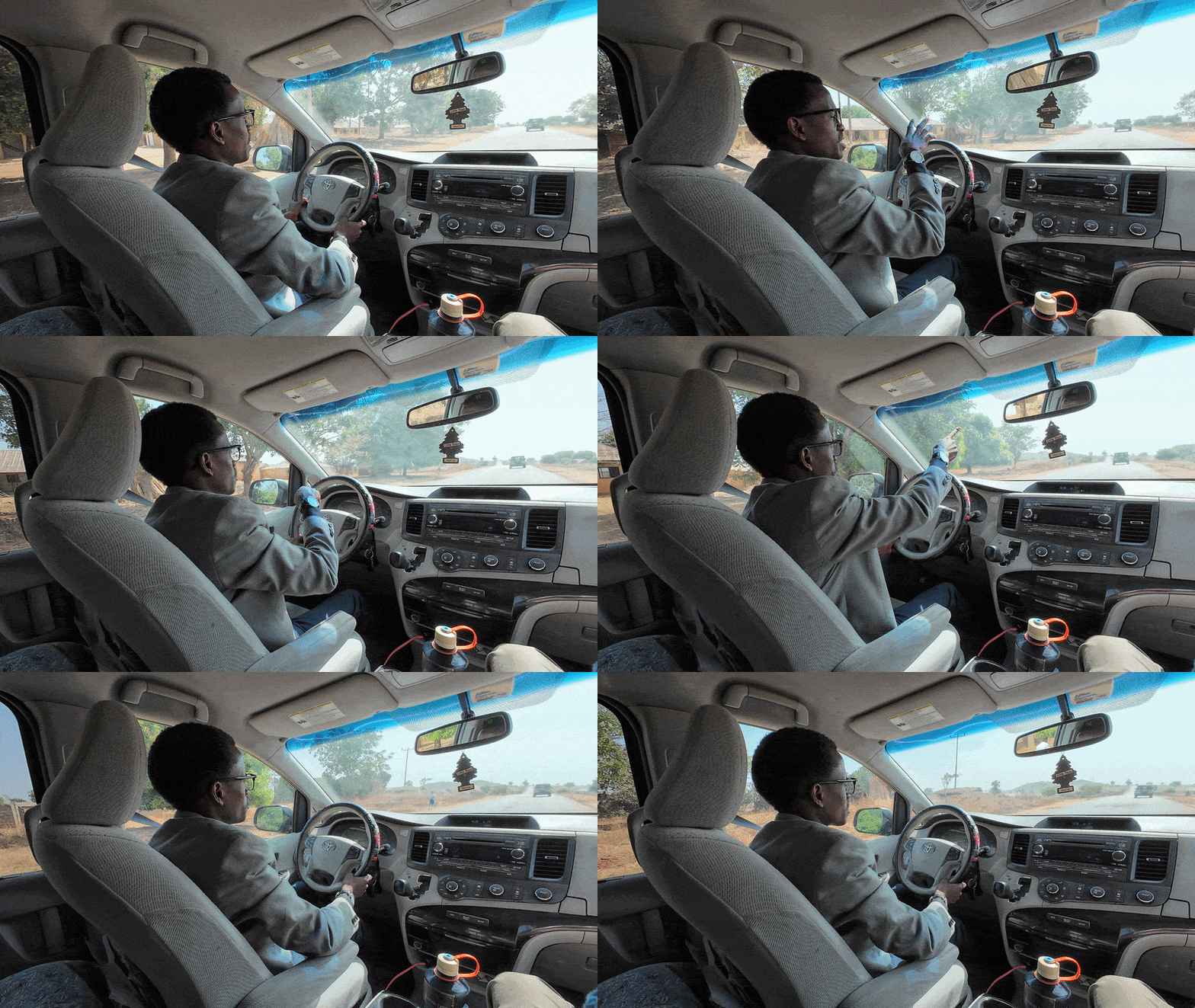
“That entire village over there was attacked, homes were burned,” said the Rev. Canon Panshak Panbish as we drove the road from Jos to Pankshin in Plateau state, Nigeria. He said it the way you might point out an interesting building or a turnoff you’d missed. Just another fact of the landscape. Three days before we drove this road, ten Christians had been killed along it in two other separate villages. The attacks were coordinated, they happened after dark.
“People don’t sleep there anymore,” he told us. “They walk a few miles to and from their village to farm in the daylight. No one wants to sleep there.”
That’s daily life for believers across central and northern Nigeria, and it has been for years. Nigeria is the deadliest country on earth for Christians right now. Worldwide, of the 4,849 believers martyred for their faith last year*, Open Doors counted 3,490 Christian lives lost in Nigeria alone. One country. Over 70% of the killings.
Archbishop Benjamin Kwashi and his team have pastored in North and central Nigeria through all of it. Since Boko Haram’s rise in 2009, somewhere between 50,000 and 100,000 Christian men, women, and children have been killed across the country. More than 19,000 churches have been destroyed. These aren’t old numbers from a history book. This is ongoing. It’s on the road we were driving.
The violence has spread from the North into the middle belt (Plateau state) and penetrated even into the historically safer south. Fulani herdsmen, Boko Haram, ISWAP (Islamic State West Africa Province) are just a few of the groups that actively persecute Christians in Nigeria.
All along the roads, village after village, we see the same pattern. Christian men and women are indiscriminately killed or kidnapped. Some are forced into sexual slavery or coerced into marriage, and many have to witness the beating or killing of their husbands and sons before it happens to them. Churches are burned and the bricks are torn off of the walls so that the building can’t be used again. In parts of the north, Christians who survive raids are forced to live under Sharia law, obeying its customs and dress codes or facing punishment.
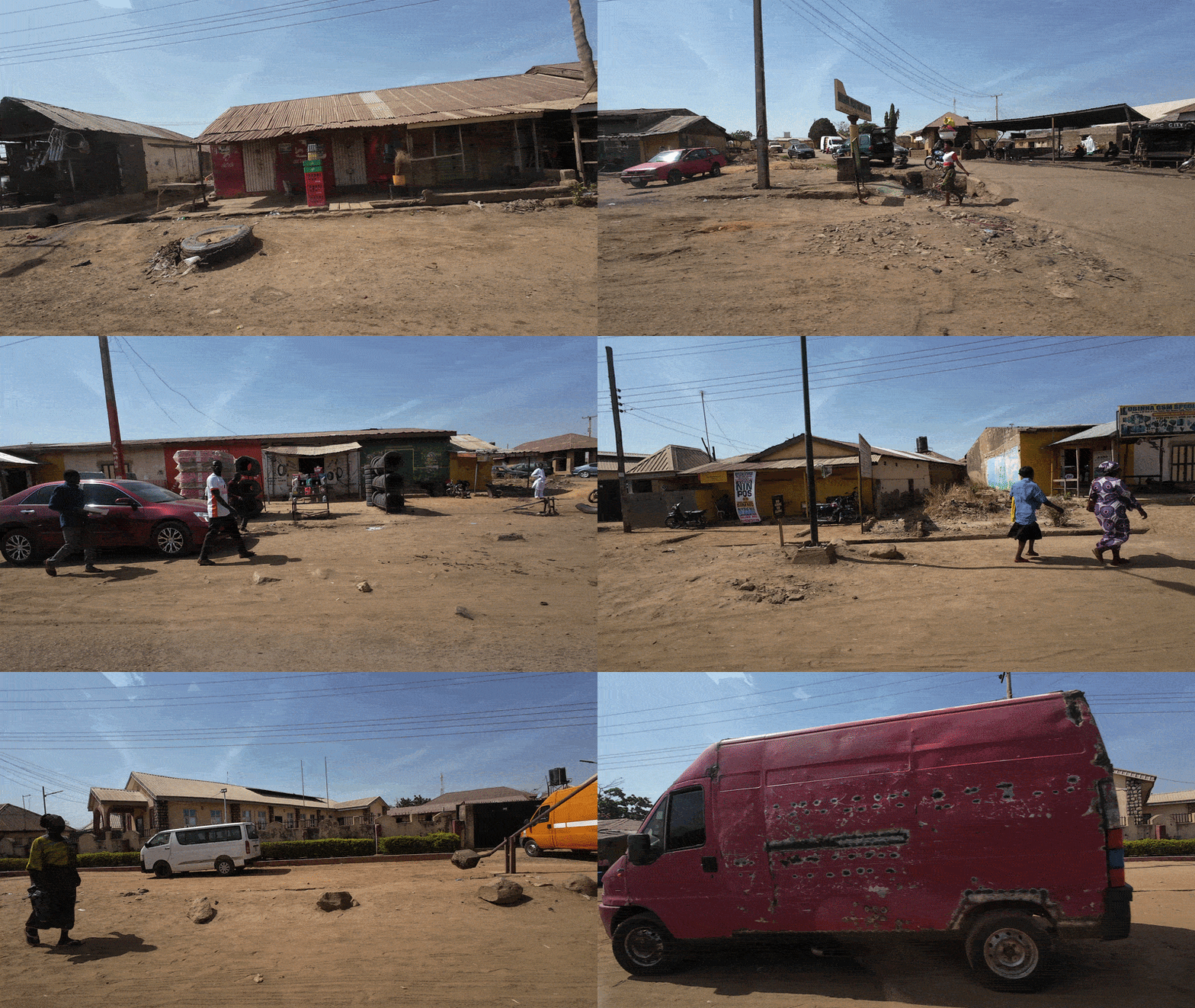
Those who aren’t martyred are subjected to forced labor, kidnappings for ransom, and governmental structures that bar them from schools, the marketplace, and other ways a person builds a life. Even when things appear calm the threat doesn’t subside. People are killed on a daily basis without accountability. You always live on edge. It’s not overstated. It’s what the people of Nigeria experience week after week.
Despite all of these realities, Nigerian believers keep planting churches. They keep showing up every Sunday. Our Nigerian partners travel directly to the places where the persecution is worst. They carry Bibles into areas where owning one can cost you your life. They plant new Gospel works in the rocky soil. And the church grows. It isn’t blind optimism. It’s faith that has been tested. Faith we witnessed with our own eyes.
The drive from Jos to Pankshin is one road. There are thousands like it across Nigeria. Please join us in praying for our brothers and sisters.
A Call to Prayer
Canon Panshak and Rev. Moses from Jos, Nigeria shared some specific prayer requests:
They asked us to pray that God’s people will remain faithful and stand strong even in the midst of everything pressing against them. Pray that God will comfort and heal all those who have been affected by these killings. Pray that God will frustrate the plans of both the sponsors and the executors of this violence. And pray that God will raise up leaders from among them who are courageous enough to stand against every form of injustice and violence in the land.
They asked us to pray for the insecurity Nigerians face every day, especially believers — people killed weekly with no accountability from government agencies. Pray for those who are kidnapped, tortured, and held for ransom, and for those who die in captivity. Pray for God’s protection over His people.
* Open Doors data from October 2024 – September 2025 WWR © 2026 Open Doors International.
Alan Miller has worshipped at Church of the Resurrection for over twenty years. He and his wife, Noel, have raised their six children there. In early 2026, Alan went with a team from Rez and spent several days in Jos, Nigeria, where they experienced profound Jos-pitality, made lasting friendships, and met Christians living out their faith under real persecution.