
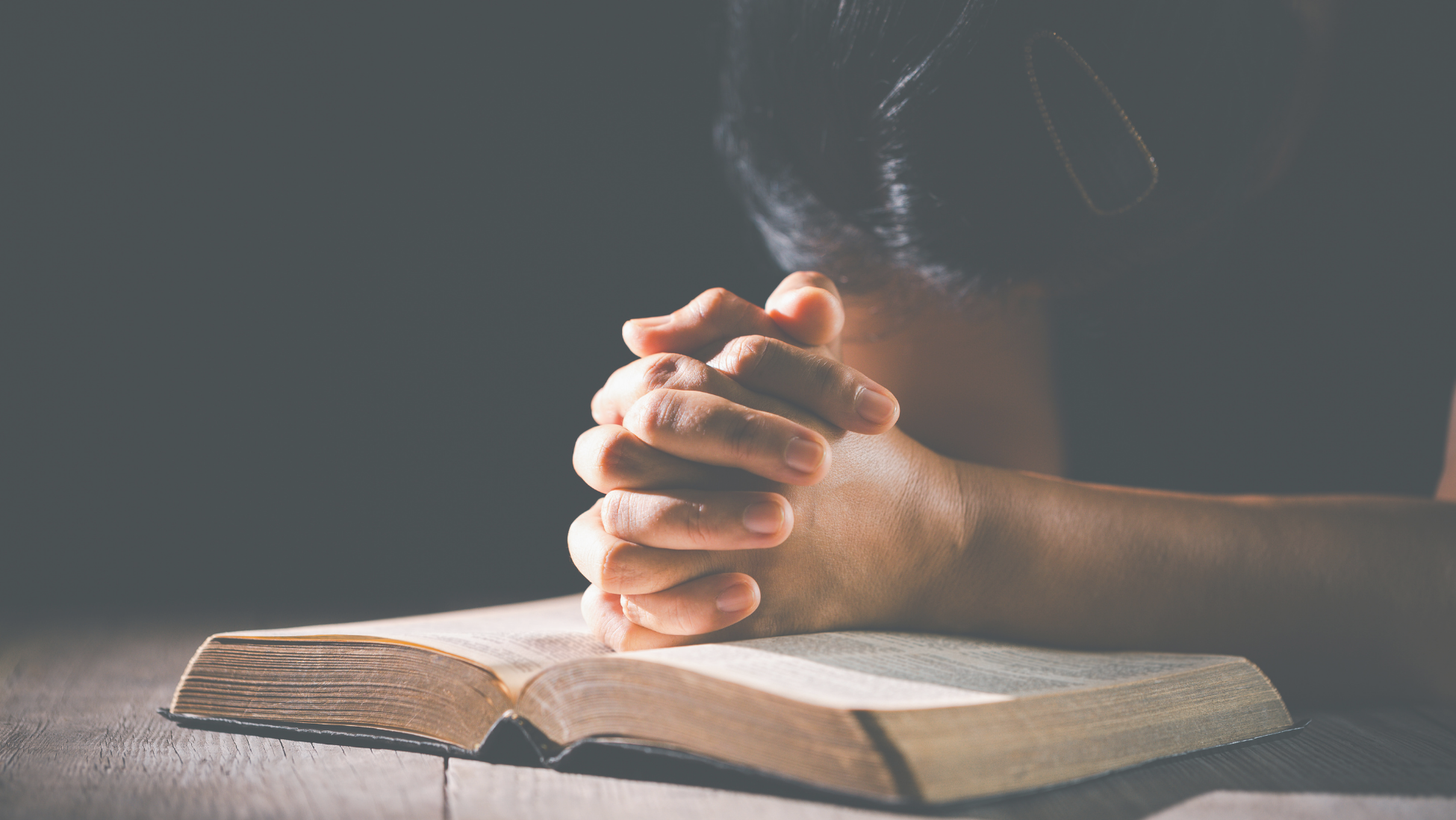
On Ash Wednesday, I make my way to the church office. I am here to make a sacramental confession.
At the top of the stairs, an usher greets me quietly. She hands me a bulletin with the liturgy for confession and points me to chairs by a large window. Pinned to the back of one chair is “Priest,” to another “Female Pastor,” and to another “No Preference.”
“Do you have a preference?” the usher asks.
Sometimes, as a woman, I want to confess to another woman. Sometimes I feel the need for the absolution that only a priest can pronounce. Today I move toward the No Preference section.
Several others are already seated. There’s a young woman, a father with his two little sons, an older man, a couple of college students, and a woman who serves on Vestry. We are all in need of grace.
Over the years I have come to confession with a variety of needs, emotions, and thoughts. I’ve been weighed down with guilt. I’ve felt puzzled, oblivious to my sins. I’ve been afraid and ashamed. I’ve wondered if my sins are too small to bother someone with hearing my confession. Yet each year, I remember: we are all invited to make confession, no matter how big or small we think our need.
As I wait, I open the bulletin I’ve been given. The first pages invite me to prepare for confession by examining my conscience. There is a list of questions to consider.
I have prepared beforehand while at home, noting specific sins to confess. Even so, as I wait my turn, I ponder some of the questions. “Am I conscious of how my words and actions affect others? Am I honest with myself and others? What kind of facade do I put up?…”
After fifteen minutes, the usher comes to my side.
“A priest is ready,” she says.
She leads me to an office. The priest greets me kindly and offers me a seat. On the table between us is a cross, a Book of Common Prayer, tissues, and a bottle of holy water.
“Are you familiar with confession?” he asks.
I am, but in the days when I wasn’t, the priest would give me a short orientation.
“We’ll pray through the liturgy in the bulletin,” he would say. “It’s from the Book of Common Prayer. There’s a point in the liturgy for you to name the sins you need to confess. I encourage you to name sins specifically. The more specific and honest you are, the more you can receive God’s grace in this confession.
“There’s also a place where I may offer counsel, direction, and comfort. This is a short service, so it won’t be a long counseling time. Then we’ll finish the liturgy. You can begin when you’re ready.”
I pause then dive in with the first words:
Bless me, for I have sinned.
Once I’m past that, the liturgy feels easier—that is, until I name my sins specifically.
I confess to Almighty God, to his Church, and to you, that I have sinned by my own fault in thought, word, and deed, in things done and left undone; especially __________ .
Somehow the sins that had seemed hardly worthy of confession feel far more significant as I name them before another person. These are in fact failures of faith, hope, and love. My complacence is washed away.
Other times I had experienced the opposite. Sins that felt huge came into perspective as small in light of the cross. Shame washed away.
I continue,
For these and all other sins which I cannot now remember, I am truly sorry. I pray God to have mercy on me. I firmly intend amendment of life, and I humbly beg forgiveness of God and his Church, and ask you for counsel, direction, and absolution.
It’s a vulnerable moment, waiting for the priest to speak. I have been met with grace at every confession. Never a lecture. Never shaming. Never disgust. Never shock. Yet I am still anxious.
The priest looks at me with God’s love and grace. He speaks a few words, asks a question or two. He encourages me in the work of amending my life.
He then speaks the words of absolution and concludes:
The Lord has put away all your sins.
“Thanks be to God!” I say.
And then he reminds me: I, who have just exposed my sins, am not the only sinner here.
Go in peace, and pray for me, a sinner.
I leave with tears in my eyes and lightness in my heart.
Helen Wieger is a long-time member of Church of the Resurrection, where she serves as a prayer minister and community arts leader. She delights in nurturing plants and people.